Pollinators of White Plains
Fall Seed & Plant
Swap & Giveaway
October 4, 2026
White Plains Public Library
Pick out native plants and seeds for your garden.
Donate the extra plants and seeds you’ve collected.
No seeds to give? No problem! There are more than enough to give away.
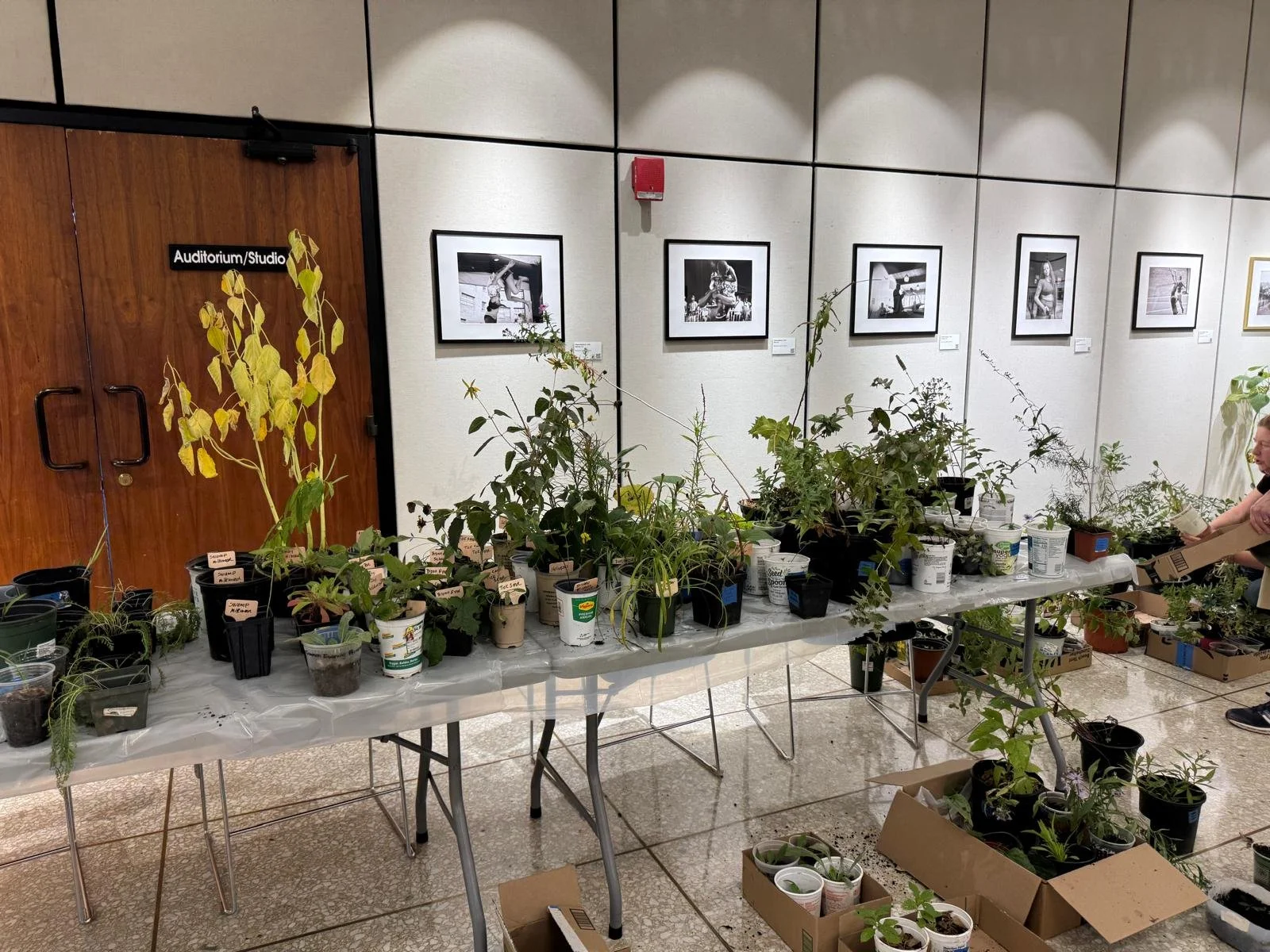
Please join us for the annual Pollinators of White Plains native plant & seed swap & giveaway, providing FREE native plants and seeds to create a beautiful garden that supports our native pollinators.
If you are new to native gardening, or do not yet have anything to contribute, you are welcome to come and select wonderful plants and seeds of your choice. All are welcome to partake! Educational information and resources will also be provided, and native gardening enthusiasts and master gardeners will offer guidance and help with plant selection. This is a fun event for individuals and families!
For those who can contribute, please bring your extra native seeds and plants so that we can spread the love of native plants through White Plains and the nearby areas. Make sure that all seeds are packaged in small seed envelopes, labeled with the full species name, preferably the scientific/Latin name. Plants need to be similarly labeled and brought in pots with soil.
See what’s available
Get a preview of what we’ll know we’ll have. Note that for some plants supplies are limited, and it’s first come first serve. Also, there might be other plants available not listed here that folks bring on the day!
Seeds
Plants
How to package seeds for the swap
-
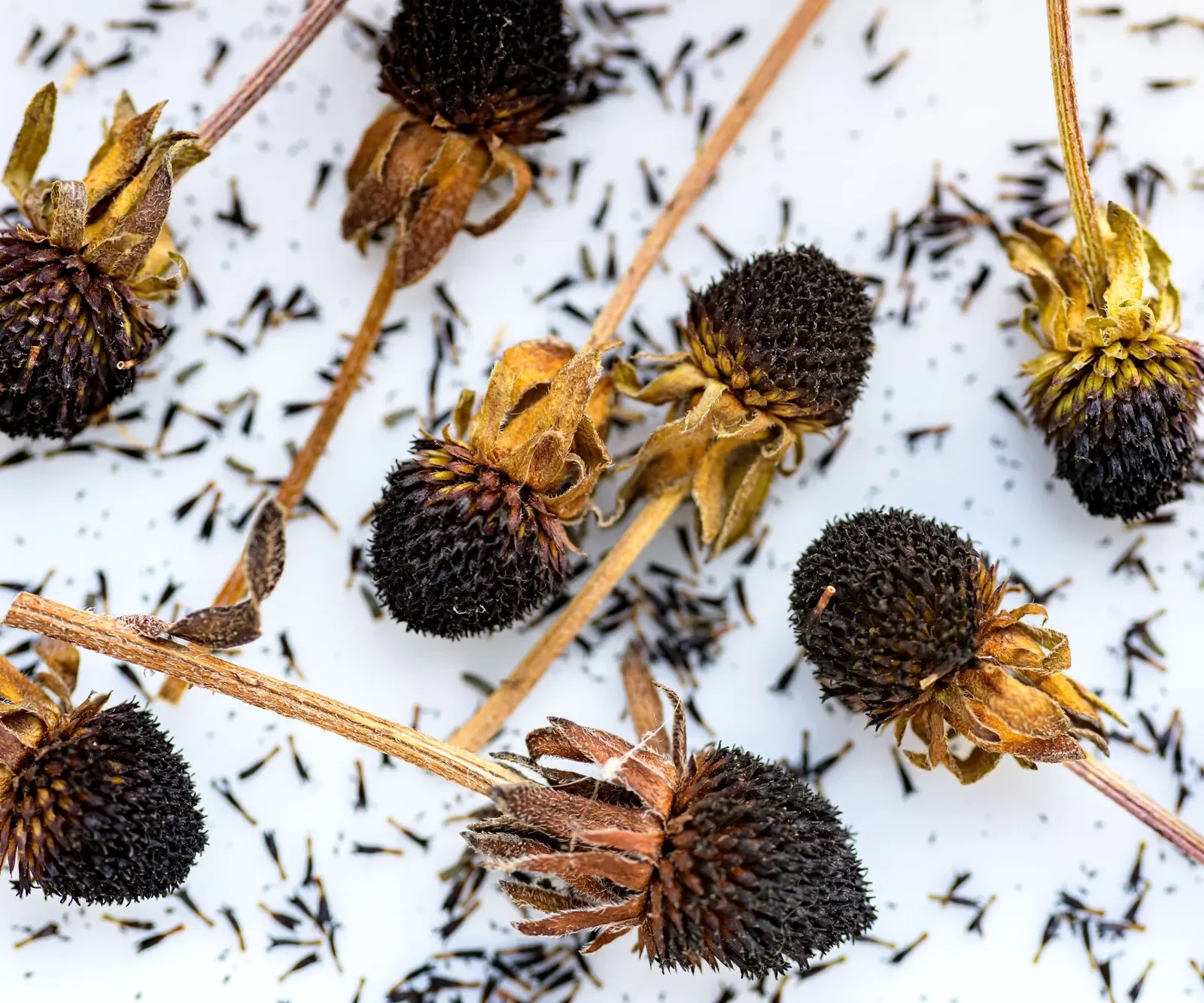
Time it right
Every plant has different peak seed collecting times. If the seeds are fluffy, they should pull away easily. If they’re pods, you should be able to shake the seeds out. The best way to know for sure is to research how to collect for your specific plants.
(Image credit: Getty Images / Andrea Obzerova) -
Collect and label
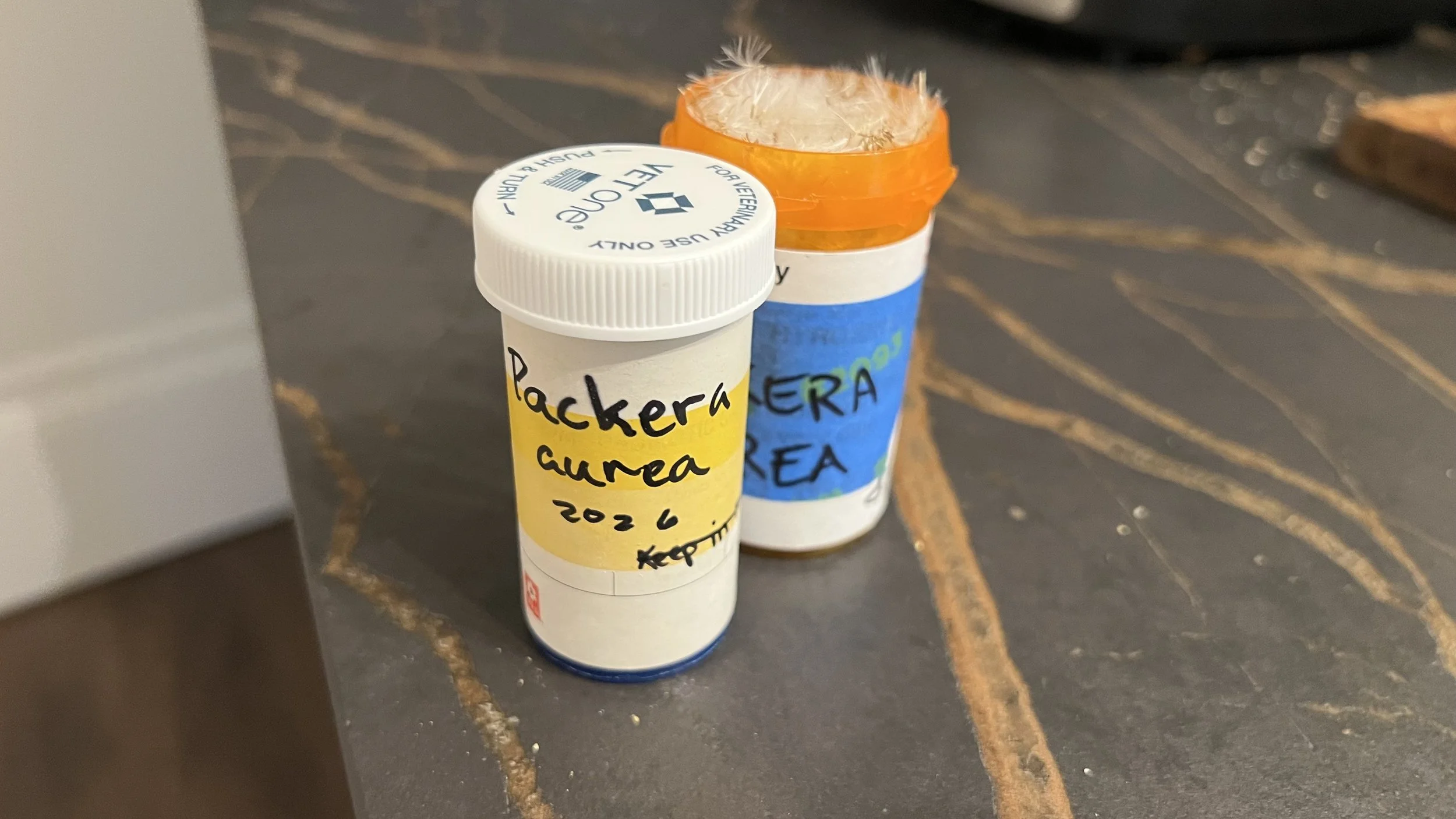
Collect your seeds in an easy to seal container. Old pill bottles make excellect seed containers. Be sure to label your container immediately after collecting. Nothing quite like working hard to collect seeds and then forgetting what they are (not that I’m speaking from experience…).
-
Package and label
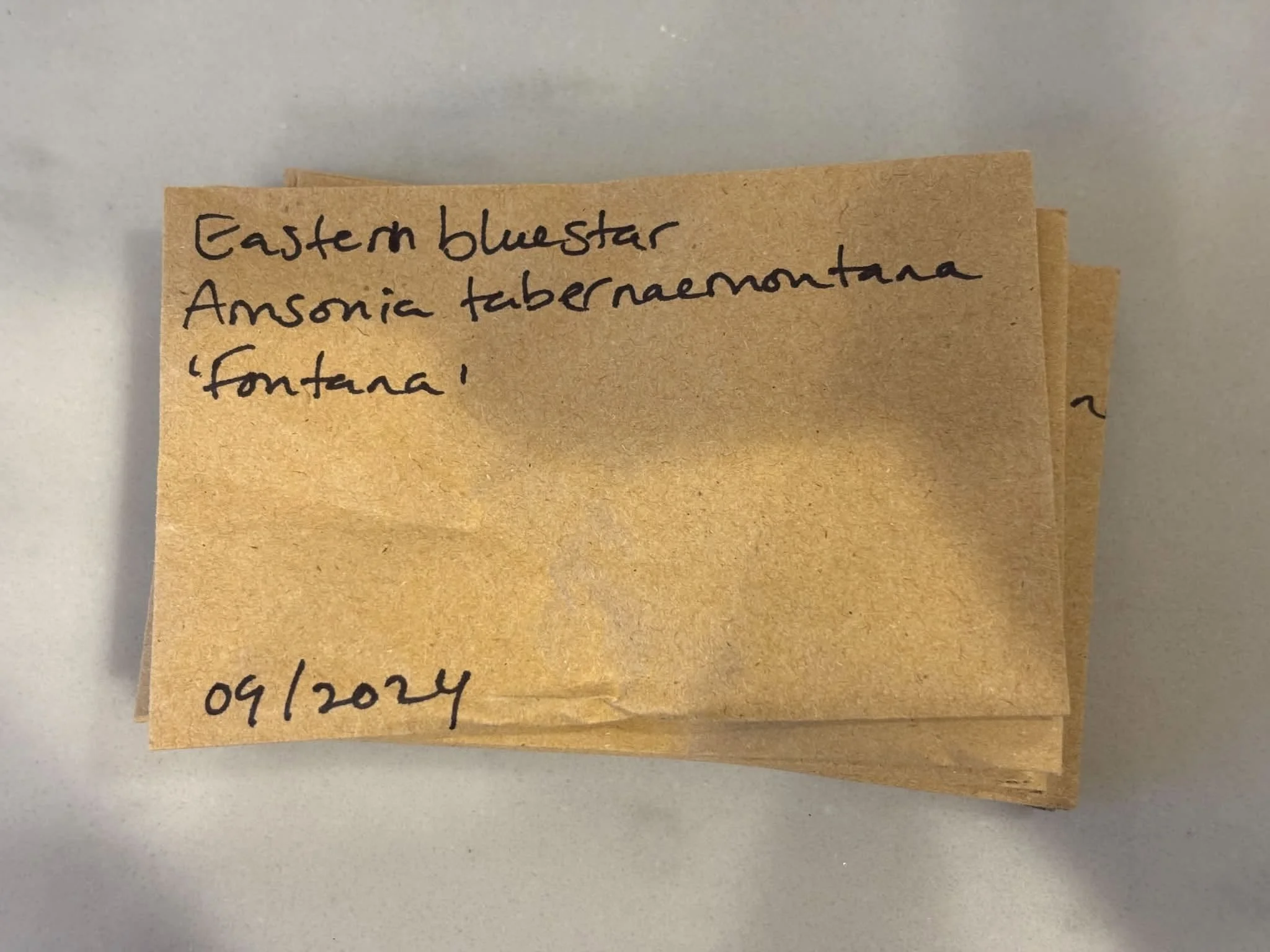
Using small envelopes (like these), place a small amount of seeds in each packet. Just enough for a layer of seeds in a gallon sized milk jug. Seal the envelope thoroughly. Those tiny seeds will try to sneak out. Then label with the Common name, Latin name, and ‘cultivar species’ if applicable. See more below.
How to label your seeds
First thing on the label can be the Common Name.
But keep in mind there are a lot of common names for a single plant (“Serviceberry”, “Sarvis berry”, etc), or a single common name for a lot of very different plants (“Milkweed” could be “Swamp Milkweed”, “Butterfly Milkweed”, or “Common Milkweed”), which is why #2 is more important.Second thing on a second line should be the Latin (also called scientific or botanical) name.
The first word (the genus) is capitalized; the second word (the specific epithet or specific species which differentiates that plant from others in the same genus) is not capitalized; both of those should always be italicized or underlined if handwritten). Example: Asclepias incarnata (swamp milkweed); Asclepias tuberosa (butterfly milkweed). If the specific epithet is not known or needed, it can be indicated by sp. or spp (plural). By following this convention, we know exactly which plant seed is in the envelope.Cultivar name, if applicable.
If your plant is a known cultivar, you can add the cultivar name after the Latin name in ‘single quotes,’ in roman (not italicized or underlined) capitalizing the first letter of each major word, in other words headline-style.
Put it all together and you get:
Coral honeysuckle or Major Wheeler honeysuckle
Lonicera sempervirens ‘Major Wheeler’
Don’t know the Latin name?
Try The Native Commons
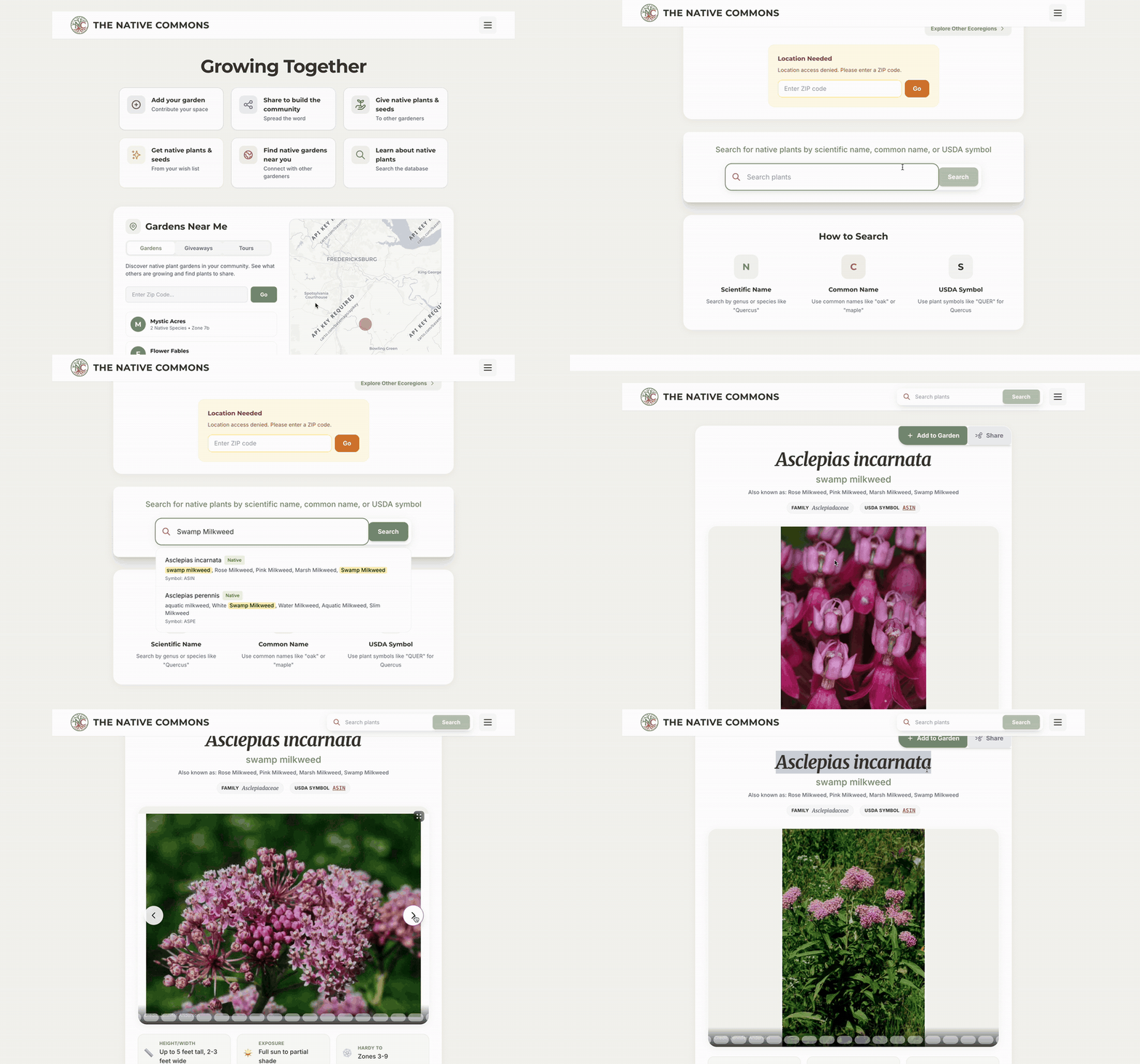
The Native Commons provides an easy way to look up information about the plants in your yard. Search for the common name, double check that the photos match the plant you collected from, and note down the Latin name.
FAQs
Can I come if I don't have anything to contribute?
Yes, all are welcome! We're all about spreading the love of native plants to newbies. And maybe you will have contributions in future years!
Do the seeds/plants need to be native?
Yes! This is all about natives to support our native pollinators and ecosystem. If you are unsure if your plants are native, you can look it up here: https://bonap.net/NAPA/, or here: https://www.wildflower.org/
How many seeds should I put in each envelope?
About as many as would fit in a single layer on a dirt filled one gallon, plastic beverage jug for winter sowing. If they're small seeds, the envelope might be quite empty, but that's okay.
Can I put whole seed pods in the envelope?
We would prefer not, as a seed pod can be moldy, have the seeds eaten, or even have bugs in them, and whoever receives it wouldn't know until they opened it up.
Can I bring bare roots plants, or only plants in pots with soil?
Plants in pots are helpful, because they will last longer before the recipient puts them in the ground. But if you do not have the time to pot up your plants, please contribute bare roots plants wrapped in wet paper towels or newspaper so that they don't die.
How long beforehand should I dig up my plants?
If you're potting them up, anytime now should be fine, as long as you keep them outside and watered until the event. If you're bringing bare roots plants, the day of or before the event would be best.
How should I label my seeds/plants?
Please label them with the full Genus and Species name, preferably the Latin name, so that we know exactly what plant it is. If it is a cultivar, put the cultivar names in quotes. Also add the year the seeds were collected. If you scroll up you can see a more detailed breakdown.
If we are unable to attend, what other opportunities exist for us to swap/get seeds?
If you have a friend or neighbor going, you could ask them to look for specific things. Also, we’ll have more seeds available at the wi there sowing workshop in January, if you want to attend. Finally, checkout The Native Commons for native plant and seed sharing.